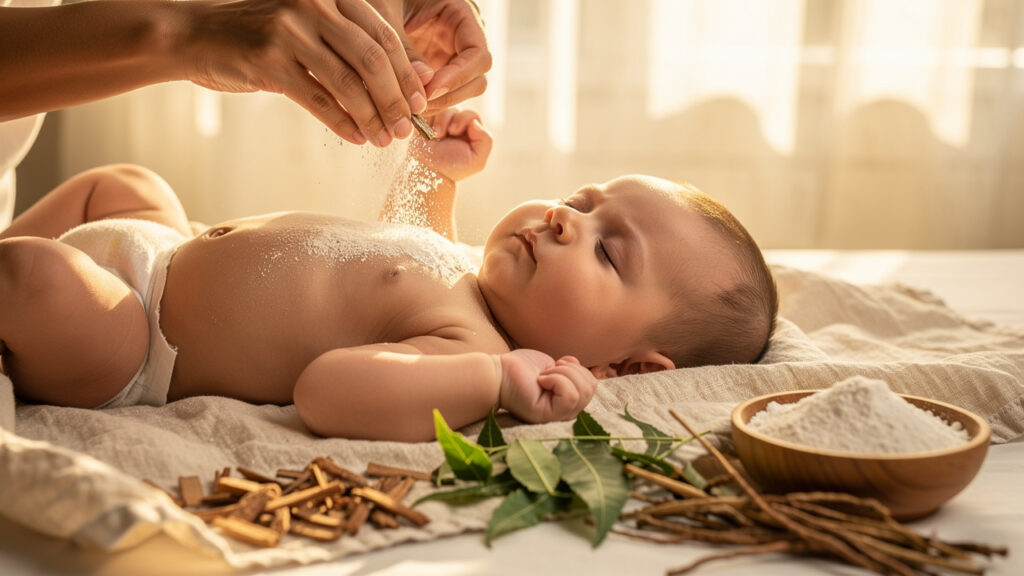
Talc-Free Ayurvedic Baby Powder Making as a Doctor
March 12, 2026
Using GTM Tool to Grow Clinic Revenue in 2026
March 14, 2026
When the International Agency for Research on Cancer (IARC) reclassified talc as a Group 2A probable human carcinogen, millions of parents across India and the world stopped in their tracks. The question that followed was immediate and urgent: what exactly had they been applying to their newborns’ skin all this time? That concern ignited a global conversation — and Johnson & Johnson’s decision to discontinue its talc-based baby powder worldwide in 2023 made the consequences impossible to ignore.
For BAMS-qualified Ayurvedic doctors and vaidyas, this moment is far more than a public health headline. It’s a genuine professional opening. Parents are actively searching for safer, plant-based alternatives they can trust, and Ayurveda — with centuries of classical knowledge devoted specifically to infant skin care — is well-positioned to answer that need better than most conventional formulations could. Talc-free Ayurvedic baby powder making as a doctor sits at the intersection of clinical responsibility and real entrepreneurial potential.
In this article, you’ll find a detailed breakdown of why talc is clinically unsafe for infants, which key ingredients belong in a doctor-grade Ayurvedic baby powder, how to follow a pharmaceutical-quality manufacturing process, and how this formulation knowledge can translate into a scalable product business. Sampurnam Ayurveda Company, guided by Dr. Shreya Patil (MD in Rasashastra & Bhaishajya Kalpana), supports practitioners through every step — from lab setup to market launch.
Why Talc Is No Longer Safe for Baby Skin
Talc, or hydrated magnesium silicate, has been the dominant base ingredient in commercial baby powders for decades. It absorbs moisture, leaves skin feeling smooth, and is inexpensive to process — functional benefits that made it an industry default for generations of parents and manufacturers alike.
But those benefits now come with a serious price. The IARC’s Group 2A probable human carcinogen reclassification draws on consistent epidemiological evidence linking long-term perineal talc use with elevated ovarian cancer risk. Multiple large-scale studies and years of litigation against major manufacturers have reinforced this link, and the classification now directly shapes how health-conscious families — especially in urban India — make baby care decisions.
“The respiratory risk of talc is not theoretical — it is documented, serious, and entirely avoidable with plant-based alternatives.” — Pediatric Safety Research Context
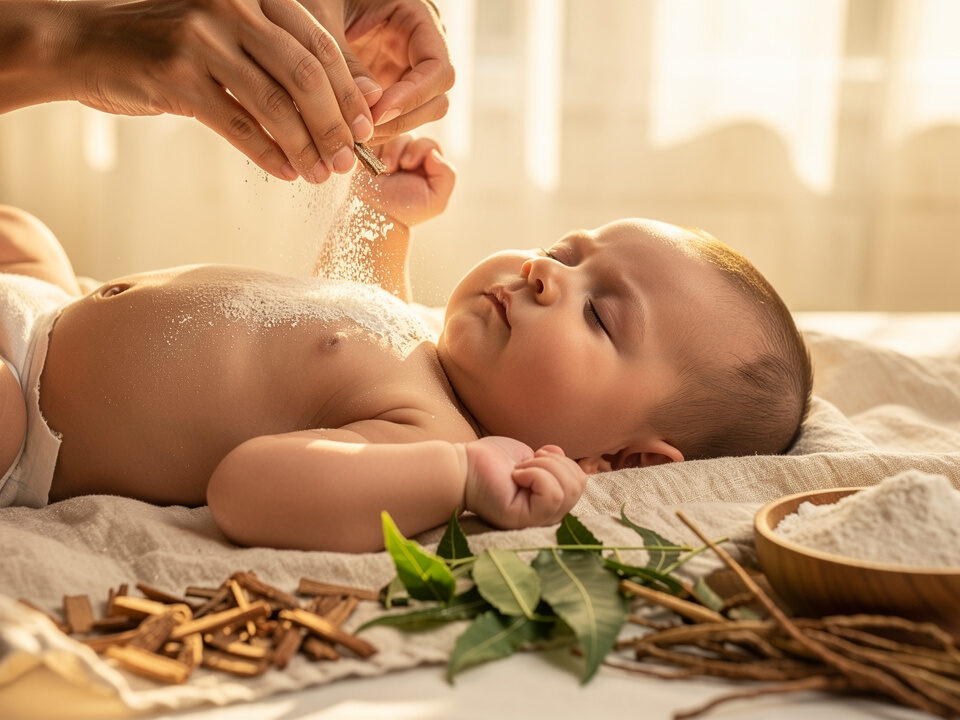
The respiratory hazard is even more pressing in real-world infant care. A newborn’s bronchial passages are significantly narrower than an adult’s, making infants acutely vulnerable to fine-particle inhalation. When a cloud of talc forms during application, babies breathe it in directly. Clinical case reports have documented talc-induced pneumonia and pulmonary granulomatosis in babies — serious, potentially life-threatening conditions supported by recent findings in NAPCON 2025 – Best original research abstracts published on PubMed Central.
Then there’s the asbestos question. Talc deposits are often found in geological proximity to asbestos veins, and industrial mining processes create real contamination risk. The U.S. FDA has issued several alerts about asbestos detected in cosmetic-grade talc products. For Ayurvedic practitioners working with plant-based ingredients, this mineral contamination risk simply doesn’t exist. Under India’s Drugs and Cosmetics Act, 1940, cosmetic safety requirements are also tightening — and your classical training gives you a built-in formulation quality advantage and a clear ethical edge.
Key Ingredients in Talc-Free Ayurvedic Baby Powder
The science behind talc-free Ayurvedic baby powder making draws from Dravyaguna (Ayurvedic pharmacology) and Bhaishajya Kalpana (pharmaceutical formulation science). These disciplines offer a structured framework for selecting ingredients based on their Rasa, Guna, Veerya, and Vipaka — properties that predict how each herb or mineral will interact with infant skin. Every ingredient in a well-formulated Ayurvedic baby powder carries both classical justification and modern scientific support — a standard also explored in The World’s Most Expensive ingredients guide for spa professionals, which evaluates premium botanical actives for skin efficacy.
Plant-Based Powder Bases
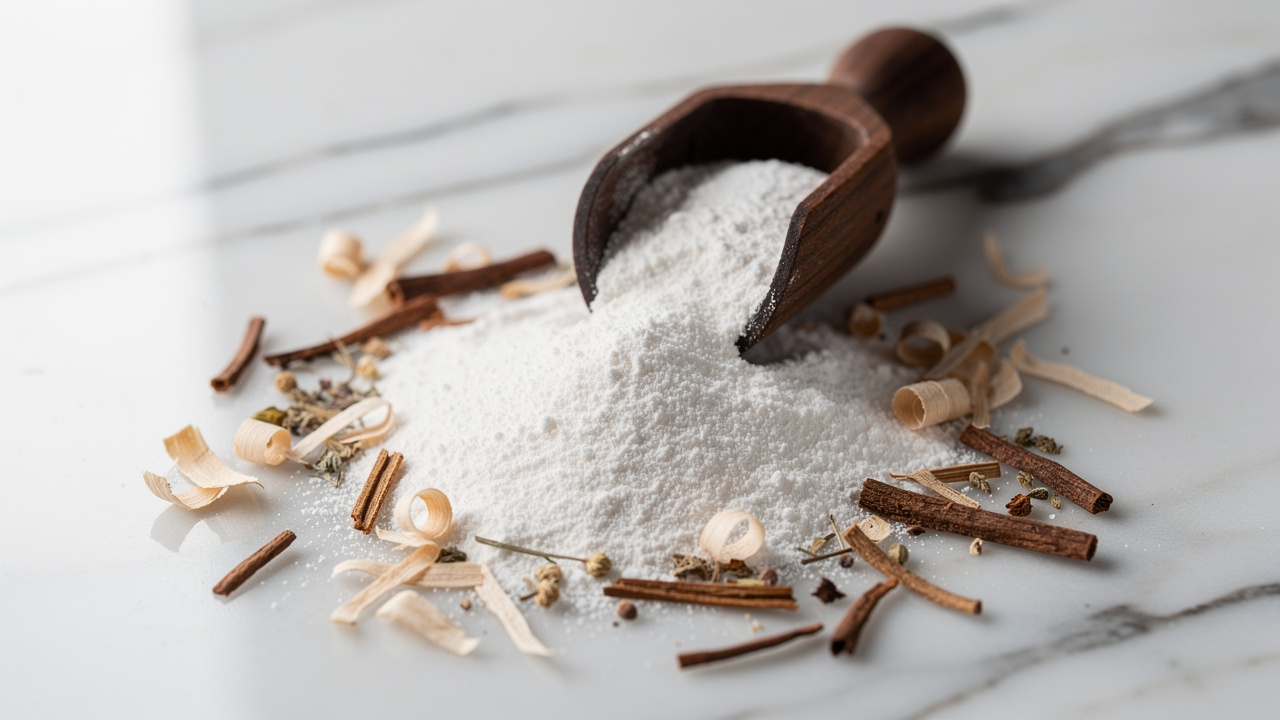
These replace talc as the functional core of the formulation:
Corn Starch — lightweight, highly absorbent, and completely inert on infant skin. It blends seamlessly with herbal powders and serves as the primary base in many natural baby powder formulations.
Arrowroot Powder (Maranta arundinacea) — replicates talc’s silky texture more closely than almost any other natural ingredient; absorbs moisture well, spreads evenly, and poses zero respiratory irritation risk.
Kaolin Clay — added at around 5%, it contributes extra absorbency and a smooth finish. Unlike natural talc, Kaolin is free from asbestos contamination risk and is well-tolerated by delicate infant skin when used at appropriate concentrations.
Classical Ayurvedic Botanicals
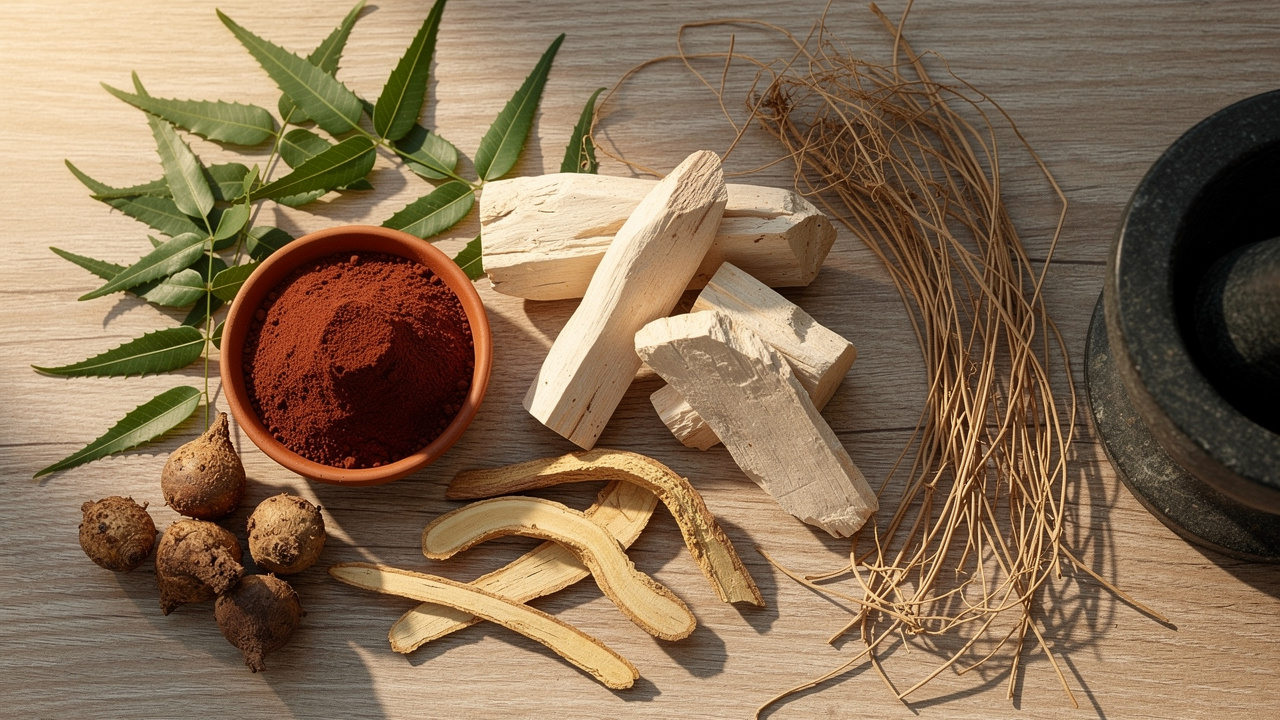
These herbs form the therapeutic core of the formulation:
Shwet Chandan (White Sandalwood / Santalum album) — cooling (Sheeta virya), anti-inflammatory, and antimicrobial; referenced in Ashtanga Hridayam for skin applications and particularly effective against prickly heat.
Rakht Chandan (Red Sandalwood / Pterocarpus santalinus) — pacifies Pitta dosha and is traditionally featured in Kaumarbhritya (pediatric Ayurveda) for soothing inflamed infant skin.
Neem (Azadirachta indica) — provides broad-spectrum antimicrobial and antifungal protection, essential for preventing diaper rash and microbial infections.
Yashtimadhu (Licorice / Glycyrrhiza glabra) — soothes sensitive skin with confirmed anti-inflammatory action, referenced in Charaka Samhita for skin disorders.
Ushira (Vetiver / Vetiveria zizanioides) — cools heat-related skin discomfort, particularly relevant in India’s tropical climate.
Nagarmotha (Cyperus rotundus) — contributes deodorant and antimicrobial properties and appears in classical pediatric formulas like Balchaturbhadrika.
Natural Fragrance
Synthetic fragrances are strictly contraindicated for infant skin. Lavender essential oil, used at trace concentrations of 0.5% or less, provides gentle antimicrobial and calming properties without disrupting a baby’s sensitive skin barrier. All ingredients across every category must be sourced in certified-organic, botanically authenticated, pesticide-free form before being used in any infant-grade product.
Step-by-Step Formulation Process for Ayurvedic Doctors
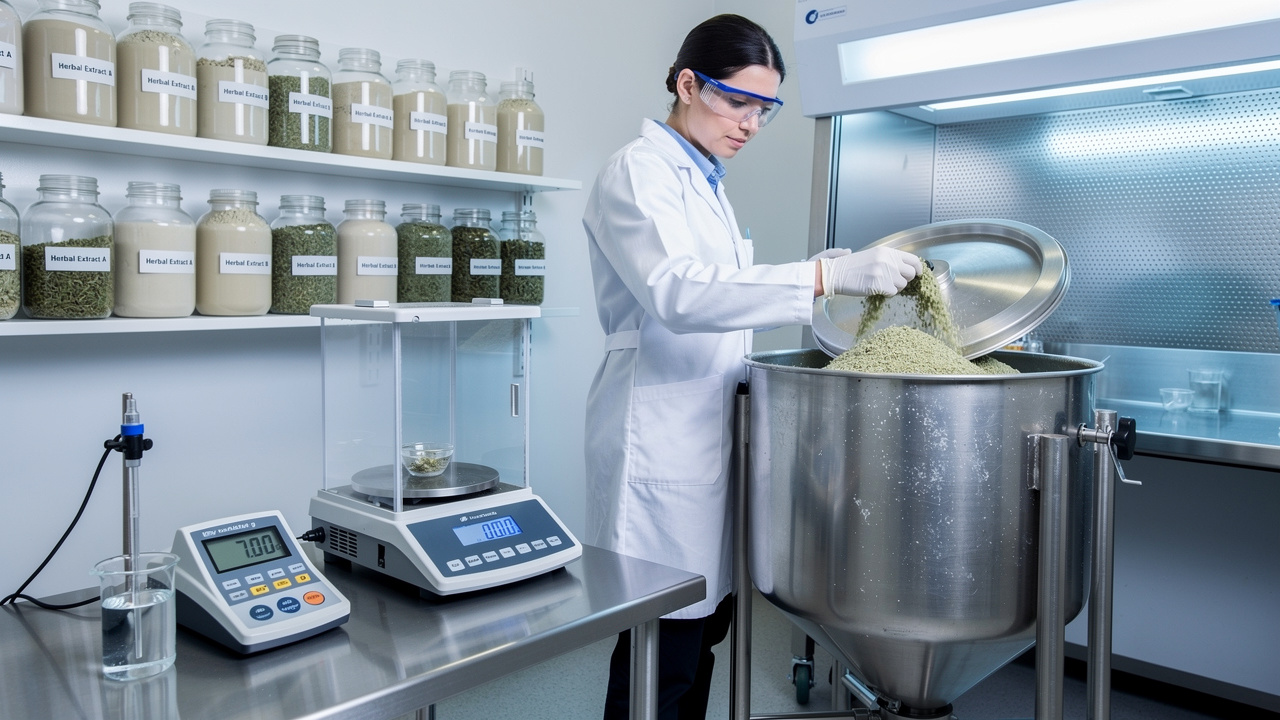
Formulating a talc-free Ayurvedic baby powder sits at the intersection of classical Churna preparation and modern pharmaceutical-grade manufacturing. Getting this process right means honoring the traditional foundation while meeting the quality standards that regulators — and parents — now expect from any infant care product.
Define Therapeutic Intent. Identify the primary goal — heat rash management, diaper rash prevention, general skin maintenance, or antimicrobial protection. This decision shapes the entire formulation, and herbs are selected in ratios that reflect their role as primary or supportive ingredients.
Source Authenticated Raw Materials. Insist on botanical authentication certificates, heavy metal testing reports, microbial load results, and pesticide residue reports from GMP-certified suppliers. Never compromise on this stage for infant-grade products.
Mesh Standardization. Sieve all herbal powders to 80–120 mesh (125–149 microns) for a smooth, non-abrasive texture appropriate for infant skin. This step also improves blending uniformity and product spreadability. Small-scale producers typically use pharmaceutical-grade ball mills or micro-pulverizers for this purpose.
Blending and Homogenization. Use a ribbon blender or double-cone blender for consistent, uniform mixing. A sample base includes 40–50% Corn Starch or Arrowroot Powder, 10–15% Shwet Chandan, and 5% Neem. Final commercial ratios vary by therapeutic intent and must be validated through stability testing.
Quality Control Testing. Test for pH compatibility (target 5.0–6.5 to match infant skin pH of ~5.5), microbial safety, heavy metal levels, and moisture content below 8%. Confirmed absence of Staphylococcus aureus, E. coli, and Pseudomonas aeruginosa is mandatory for market release. Particle size distribution must also be verified through sieve analysis.
Packaging. Use airtight, moisture-resistant containers with shaker-top or pump dispensers to minimize airborne powder release during every application. These dispensing formats actively reduce inhalation exposure for infants. All packaging materials must meet hygienic, food-grade quality standards.
Sampurnam Ayurveda Company’s Ayurvedic Cosmetic Formulation Workshop, guided by Dr. Shreya Patil, provides hands-on, GMP-compliant lab training that covers all six of these steps in full.
From Formula to Brand: The Business Opportunity for Ayurvedic Doctors
India’s Ayurvedic personal care market is projected to exceed USD 10 billion by 2030, growing at over 15% annually, a trend reflected in the latest India Bodycare Market Report from Mintel. Baby care is one of its fastest-growing sub-segments, driven by millennial and Gen Z parents who read ingredient labels before making any purchasing decision. For BAMS-qualified practitioners, the business case for talc-free Ayurvedic baby powder making has never been stronger.
“Trust is the most valuable ingredient in any baby care product — and a qualified Ayurvedic physician brings that trust in a way no generic brand ever can.”
Your BAMS qualification is your strongest competitive asset in this market. A product marketed as “formulated by a qualified Ayurvedic physician” carries a level of trust with Indian parents that no generic herbal brand can replicate. When that credential is paired with classical text references from Kashyapa Samhita’s Kaumarbhritya and formulations drawn from Ashtanga Hridayam, your brand gains authentic depth that resonates with a health-conscious consumer base.
The numbers make a compelling case. Talc-free Ayurvedic baby powders retail for ₹250 to ₹800 per 100–200 grams in the Indian market. A doctor-branded product with a credible formulation story can hold the upper-mid to premium price position. At just 200–300 units per month priced at ₹350–₹500, that represents ₹70,000 to ₹1,50,000 in monthly product revenue — a meaningful and scalable complement to your clinical income.
On the regulatory side, a Cosmetic Manufacturing License (Form 32) under Schedule M-II is your starting point. If therapeutic claims like “relieves diaper rash” are made, the product may be classified as an Ayurvedic Proprietary Medicine (APM), requiring a drug manufacturing license — for which your BAMS degree qualifies you as eligible technical staff. Sampurnam Ayurveda Company’s workshop covers formulation, regulatory compliance, branding, and market launch in one structured program, and the January 2026 batch was fully booked — a clear signal of just how many practitioners are ready to act on this opportunity.
Conclusion
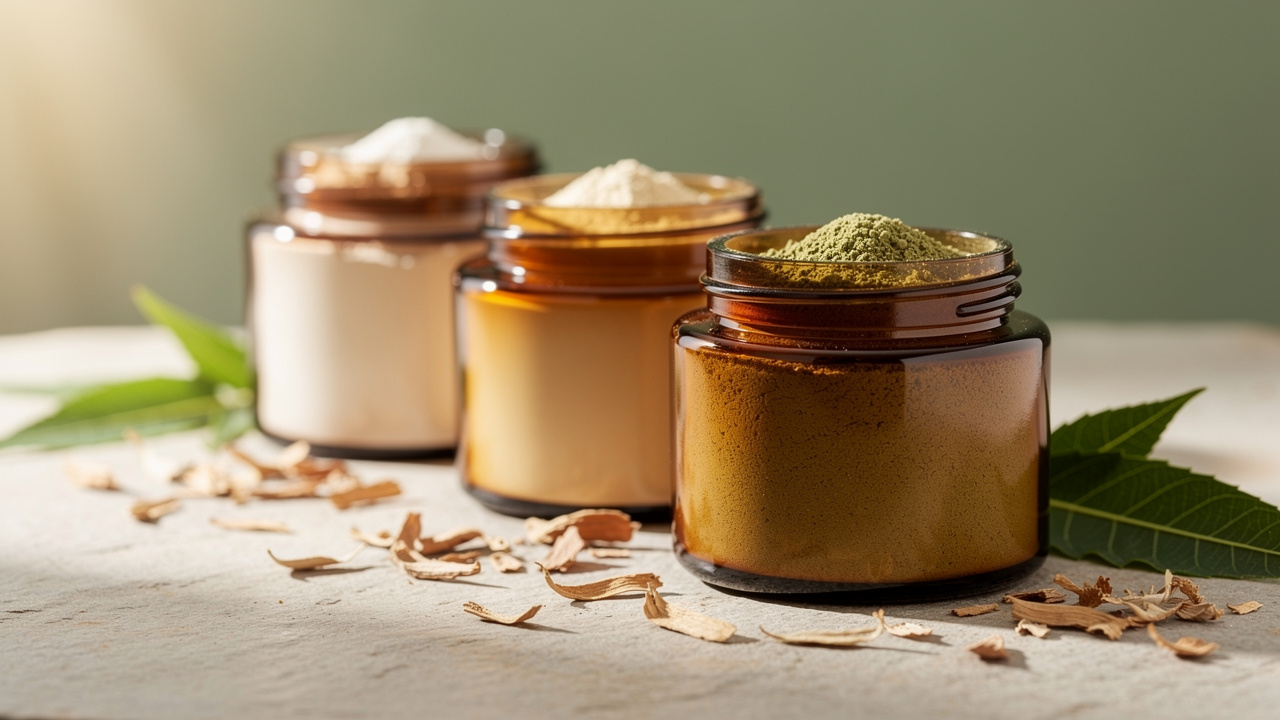
The IARC’s reclassification of talc has permanently shifted how parents and medical professionals think about infant skin care. This is not a passing concern — it’s a verified scientific reality that opens a lasting space for Ayurvedic practitioners to offer something genuinely better. With thousands of years of botanical wisdom behind you and modern GMP standards in front of you, the opportunity to build a product that families trust is real, and it’s yours to take.
If you’re ready to move from clinical practice to product creation, Sampurnam Ayurveda Company’s Ayurvedic Cosmetic Formulation Workshop, led by Dr. Shreya Patil, gives you the complete framework — from formulation science to a market-ready brand.
FAQs
Is Kaolin Clay Safe to Use in Baby Powder as a Talc Substitute?
Kaolin (white China clay) is generally recognized as safe for cosmetic use and is a well-accepted talc substitute in natural formulations. Unlike natural talc, it is free from asbestos contamination risk and features an ultra-fine, non-irritating texture that is gentle on infant skin. Proper concentration control and particle size standardization are the critical quality considerations when using it in infant-grade products.
Can a BAMS Doctor Legally Manufacture and Sell Ayurvedic Baby Powder in India?
Yes — a BAMS doctor can legally manufacture and sell Ayurvedic baby powder under a Cosmetic Manufacturing License (Form 32), or as an Ayurvedic Proprietary Medicine (APM) when therapeutic claims are made on the label. A BAMS degree positions you as eligible technical staff in Ayurvedic manufacturing units, which is a significant professional and legal advantage. Schedule M-II governs cosmetic GMP standards, while Schedule T applies to Ayurvedic drug production.
How Is Sampurnam Ayurveda Company’s Workshop Different from Other Ayurvedic Formulation Courses?
Sampurnam’s workshop is led by Dr. Shreya Patil, MD in Rasashastra & Bhaishajya Kalpana, bringing both classical authenticity and scientific precision to every session. The program covers hands-on, GMP-compliant lab training, regulatory guidance, and complete brand-building support — making it a true formulation-to-market experience rather than a theory-only course. Consistently high demand and fully booked batches reflect the practical value practitioners walk away with after completing the program.